

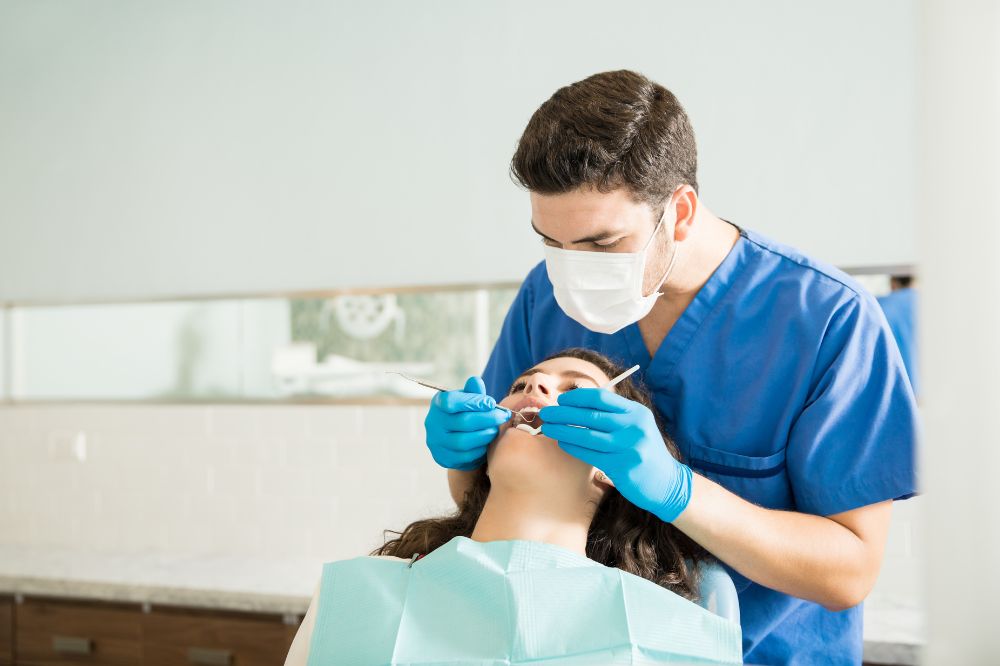
Oral surgery is a very common way for doctors to fix dental problems that go deep into the jaw or gums. Whether you are having a wisdom tooth taken out or getting a dental implant, the main goal is to stop pain and make your mouth healthier. Most people find that with modern medicine, the whole process is much easier and faster than they thought it would be. The first step to a great experience is finding a friendly dental clinic near you that makes you feel comfortable. Today’s dental teams use cool technology to plan every detail, making sure you feel relaxed from the moment you walk in until you are resting at home.
Getting ready for your big day
The secret to a great surgery starts a few days before you even sit in the dental chair. Your team will sit down with you to look at X-rays and talk about your health. They will explain exactly why the surgery is a good idea and help you choose the best way to stay calm, such as using “laughing gas” or a light nap. If you are getting oral surgery in Yorkville, you will likely get a simple list of things to do before you arrive. For instance, if you are going to be extra sleepy during the visit, you might need to skip breakfast that morning. It is also important to have a parent or friend ready to drive you home, since you might feel a little bit “fuzzy” right after the appointment.
What happens while you are in the chair?
It is normal to feel a little nervous, but modern surgery is very routine and safe. Once you are comfortable, the team will use a special medicine to numb the area so you won’t feel any pain at all. You might stay awake and just feel relaxed, or you might fall into a very light sleep where the time seems to fly by. During the procedure, an oral surgeon in Yorkville families trust will work quickly to fix the problem. If a tooth needs to come out, they gently wiggle it free and clean the spot. If you are getting an implant, they carefully place a tiny metal post that acts like a new root. The whole time, machines watch your heart rate and breathing to make sure you are doing great.
How to have a fast recovery at home
The first 24 hours after surgery are the most important for your body to start healing. A small blood clot will form in the spot where the work was done, which acts like a natural scab to protect the bone. To keep this scab safe, you should not use straws, smoke, or swish water around too hard, because you don’t want to accidentally knock it loose. You might see a little bit of swelling or pink spit, which is totally normal for the first day. Putting a cold ice pack on your cheek for about 20 minutes can help keep the puffiness down. Most of the time, simple medicine from the store is all you need to stay comfortable as the numbing wears off.
A simple timeline for healing
Everyone heals at their own speed, but most kids and adults follow a similar path. Knowing what comes next helps you plan your week and know when you can get back to sports or hanging out with friends. Many people wonder, “How long does it take to recover from oral surgery?” and the answer is usually just a few days. For a simple tooth pull, most people feel fine after 48 hours. If the surgery was a bit bigger, you might want to take it easy for a full week. While the gums look healed in about ten days, the bone underneath is still getting stronger for a few months.
|
Time Passed |
What You Will Feel |
What to Do |
|
Day 1 |
Sleepy and slightly sore |
Rest on the couch with pillows |
|
Days 2–3 |
Cheeks might look puffy |
Eat soft stuff like pudding or soup |
|
Day 7 |
Swelling goes away |
Start moving around a bit more |
|
Week 2 |
Gums feel much better |
Slowly start eating normal food |
Taking care of your mouth the right way
To help your body heal fast, you should stick to a “soft food” diet for a few days. Think about things that don’t require much chewing, like mashed potatoes, smoothies (remember: no straws!), yogurt, and applesauce. It is a good idea to stay away from spicy or very hot foods because they can sting the sensitive spot. Once the first day is over, you can start to gently rinse your mouth with salt water. This naturally helps with hygiene in the area and will not cause a burning sensation like a mouthwash. After getting your dental implant surgery, you can continue to brush your teeth afterwards, except for the spot around the surgery site for a little while.
A Smooth Path to a Better Smile
Oral surgery is often the final step to getting rid of a nagging toothache or fixing a broken smile. While it might seem a little scary at first, it is a very positive thing that helps your whole body stay healthy. By following the simple rules for resting and eating, you will be back to your normal self before you know it. Taking care of these things now means you won’t have to worry about bigger dental problems in the future. At 1 Yorkville Dental, we want to make sure your surgery feels easy and stress-free. Our Yorkville team uses the latest tools to make every visit as gentle as possible. We always take the time to listen to your questions so you feel like a pro before the surgery even starts. Whether you need a tooth pulled or a new implant, we are here to support you with a kind and professional touch. We love seeing our patients leave with a healthy, happy smile that they can be proud of for years to come.
Frequently Asked Questions
1. When can I go back to gym class or sports?
It is best to wait at least 3 to 5 days before doing anything that makes you huff and puff. If you run or jump too soon, it can make the surgical site start bleeding again. Start with short walks and see how you feel before doing anything too active.
2. Why do my cheeks look bruised?
Don’t worry, bruising is a normal part of healing for some people. Your skin might turn a little yellow or blue near your jaw. This just means your body is working hard to fix the area. It usually fades away completely in about a week.
3. What if I accidentally eat something crunchy?
If a piece of food gets near the surgery spot, try not to poke it with your finger or tongue. Instead, gently rinse your mouth with warm water to see if it floats away. If the spot starts to hurt a lot more, just give your dental office a quick call.
4. Can I eat ice cream right away?
Yes! Cold, soft foods like ice cream or milkshakes (eaten with a spoon) are actually great because the cold helps keep the swelling down. Just make sure there are no crunchy nuts or sprinkles that could get stuck in the surgical site.