

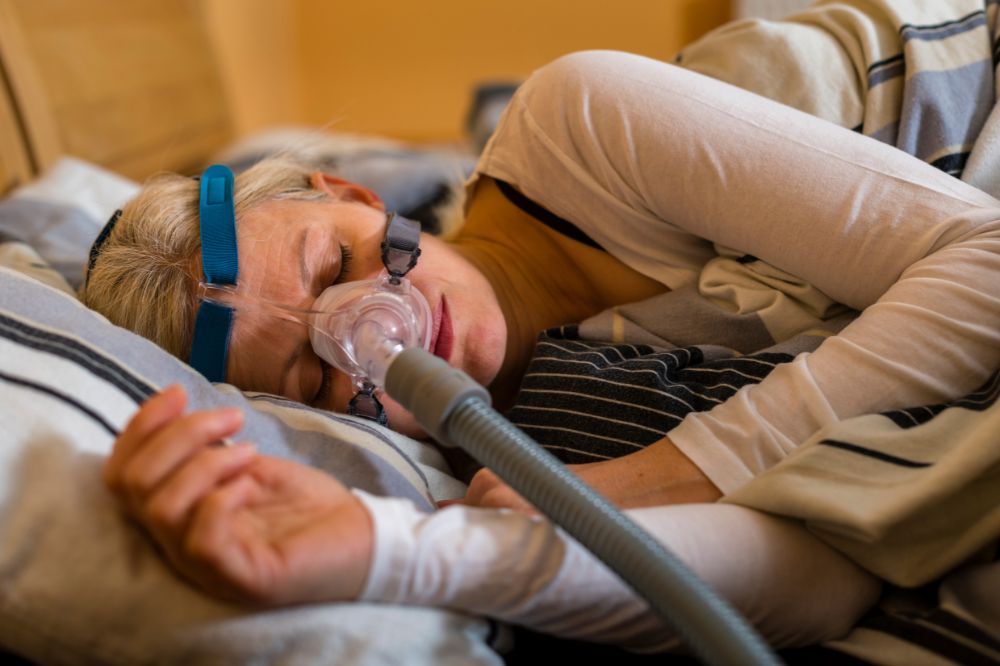
Do you snore loudly, feel tired during the day, or wake up often during sleep? These problems may be linked to sleep apnea in Yorkville. Many people do not realize that a dentist may notice early signs of sleep apnea during a regular dental visit. Since sleep apnea can affect both oral health and overall health, dental checkups may help identify symptoms. Sleep apnea happens when breathing slows down or stops for short periods during sleep. This can affect sleep quality, daily energy, and overall health over time. If you are searching for answers about sleep apnea near you, you may be surprised to learn that dentists can sometimes notice signs of this condition during regular dental exams.
What is Sleep Apnea?
Sleep Apnea is a disorder in which breathing repeatedly stops and starts during sleep. Obstructive sleep apnea is the most prevalent form of the disorder, characterized by repeated cessation of breathing during sleep.
Common symptoms may include:
- Loud snoring
- Waking up tired
- Morning headaches
- Dry mouth after sleep
- Difficulty focusing during the day
- Interrupted breathing during sleep
Some people may have symptoms for years without realizing the cause.
How Can a Dentist Notice Signs of Sleep Apnea?
Dental professionals regularly examine the mouth, jaw, tongue, and throat. Certain oral signs may suggest a higher risk for sleep apnea.
During a dental exam, signs may include:
- Teeth grinding or clenching.
- Worn tooth surfaces
- Dry mouth
- A narrow airway
- Jaw position concerns
- Scalloped edges on the tongue
These signs do not confirm sleep apnea on their own, but they may warrant further evaluation.
Can a Yorkville Dentist Diagnose Sleep Apnea?
A dentist cannot fully diagnose sleep apnea, but they may notice warning signs and suggest further testing with a doctor or sleep specialist.
A dentist may help by:
- Noticing signs of sleep apnea in the mouth
- Asking questions about sleep habits
- Recommending sleep testing
- Talking about oral appliances if sleep apnea is diagnosed
Identifying signs early may help patients get treatment sooner and prevent symptoms from worsening.
Why Does Sleep Apnea Affect Oral Health?
Sleep apnea can sometimes affect the mouth and jaw over time, especially when combined with nighttime grinding or mouth breathing.
Oral health effects may include:
- Tooth wear from grinding
- Dry mouth during sleep
- Increased cavity risk
- Jaw soreness
- Gum irritation
- Bad breath
Because of these effects, regular dental visits can play an important role in identifying possible concerns.
What are Sleep Apnea Mouthguards?
Some patients diagnosed with mild or moderate sleep apnea may benefit from a custom oral appliance, often called a sleep apnea mouthguard.
These appliances are designed to:
- Help keep the airway open.
- Support jaw positioning during sleep.
- Reduce airway blockage
- Improve airflow at night.
Unlike sports guards, these appliances are made specifically for sleep-related breathing support.
Are Sleep Apnea Mouthguards Covered by Ontario Insurance?
Does Ontario insurance cover sleep apnea mouthguards? Coverage depends on the type of insurance plan and whether medical approval or sleep testing has been completed.
Insurance coverage might rely on.
- The insurer you choose.
- If an official diagnosis of sleep apnea has been made.
- The oral appliance that the dentist recommends.
- Whether a dentist’s referral is needed.
Patients are generally directed to check with their insurance provider to know their coverage details.
Signs You Should Discuss With a Dentist
Some symptoms may suggest that sleep apnea should be evaluated further.
Important warning signs include:
- Loud or frequent snoring
- Waking up tired daily
- Grinding teeth during sleep
- Morning jaw pain
- Dry mouth after waking
- Trouble staying asleep
If you are looking for a dental clinic near you, you may discuss these concerns during your regular dental checkups.
How Are Sleep Apnea Mouthguards Different From Night Guards?
Although they may look similar, night guards and sleep apnea appliances serve different purposes.
Night guards:
- Shield teeth from grinding.
- Reduce pressure from grinding.
- Stop your teeth from wearing.
Sleep apnea mouthguards:
- Support airway positioning
- Help improve nighttime breathing.
- They are designed for the management of sleep apnea.
A dental professional can help determine which type of appliance may be appropriate.
Why Early Detection Matters
Sleep apnea can affect your sleep, energy, and health over time if not treated. If you can identify what is causing your trouble, you can sleep better, feel less tired during the day, and clench or grind your teeth less. Regular dental visits may also help notice early signs of sleep apnea before symptoms become more serious. Early evaluation can help patients get the right testing and care sooner.
Better Sleep Starts With the Right Evaluation!
Signs of sleep apnea are sometimes noticed during regular dental visits before patients know what is causing their sleep problems. Finding these signs early may help patients get the right testing and care sooner. To learn more about sleep-related oral health concerns, book a consultation with 1 Yorkville Dental for professional guidance and personalized care.
FAQs:-
1. Can a dentist in Yorkville diagnose sleep apnea?
A dentist may not be able to diagnose sleep apnea, but they may notice warning signs and recommend medical testing.
2. What are common signs of sleep apnea?
Loud snoring, daytime fatigue, dry mouth, morning headache, and waking up too often during sleep are common.
3. Can teeth grinding be linked to sleep apnea?
Yes. Teeth grinding can sometimes occur alongside sleep apnea and may be noticed during a dental checkup.
4. Why would a dentist ask about snoring?
Snoring can sometimes be a sign of sleep apnea or breathing problems during sleep, which may affect both oral health and overall health.