

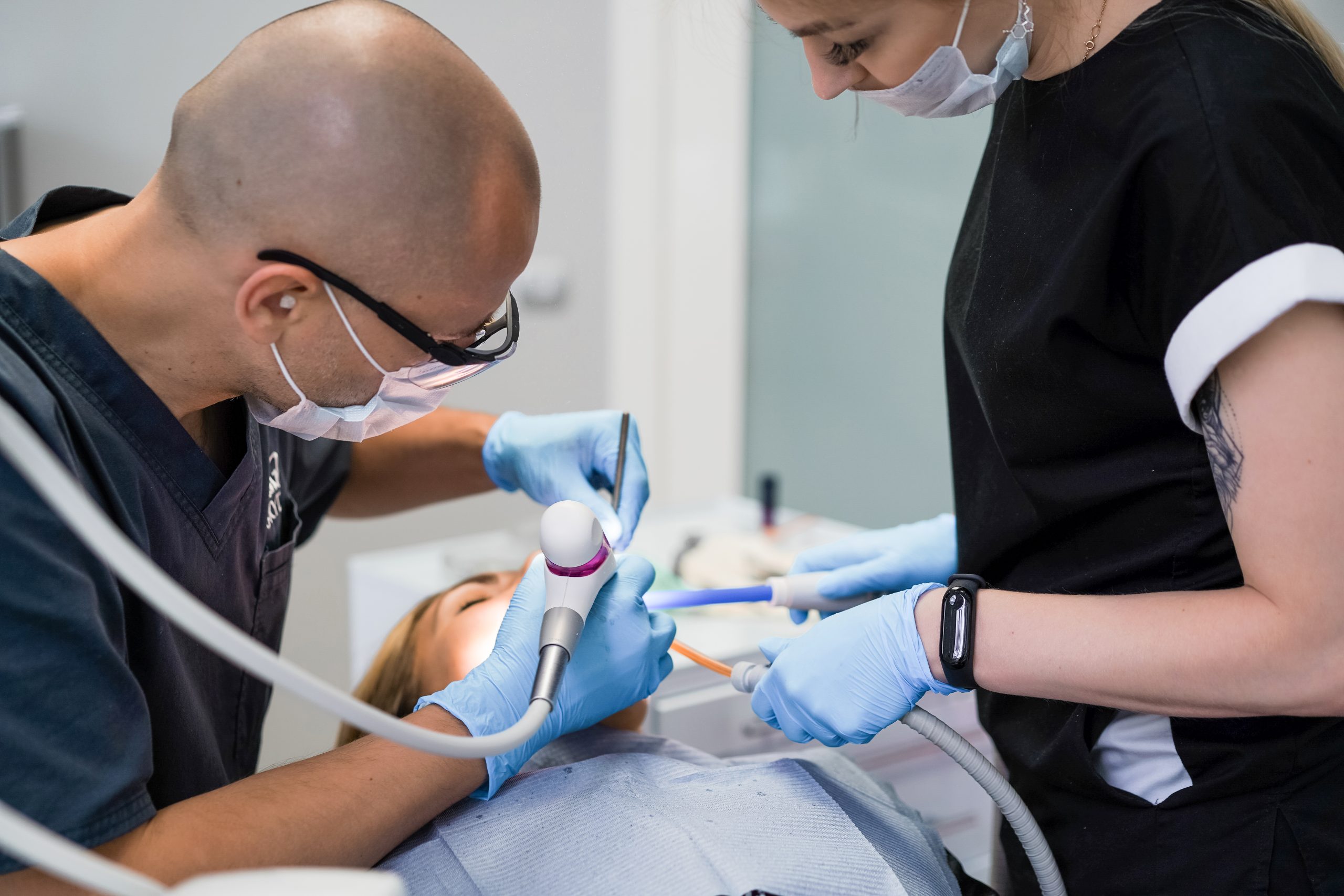
Thinking about an upcoming dental procedure can feel scary, but knowing what to expect makes everything much easier. If you are looking for a skilled dentist near you to handle a procedure, you are already taking the right step toward a healthier mouth. Preparing your body and your home ahead of time ensures that you can relax and heal quickly once the work is finished.
How Does Oral Surgery Work?
Many patients feel curious and ask, how does oral surgery work? when they first hear they need a procedure. Essentially, it is a specialized treatment where a dental expert fixes problems in the mouth that regular cleanings or fillings cannot solve. This might include removing wisdom teeth, placing a dental implant, or repairing gum tissue. Before the process begins, the area is numbed completely so you do not feel pain, and sometimes medicine is used to help you feel very sleepy and calm.
What Are Common Oral Surgery Procedures?
There are several reasons why a person might need extra help from a dental specialist. Some common oral surgery procedures include:
- Wisdom Tooth Removal: Taking out the back molars when there is not enough room in the jaw.
- Dental Implants: Placing a tiny metal post to act as a new root for a missing tooth.
- Jaw Alignment: Fixing the way the top and bottom teeth meet.
- Biopsies: Checking a small piece of tissue to make sure everything is healthy.
How Should You Get Ready The Night Before?
Preparation starts at home before you even arrive at the clinic. Following these steps helps make sure the day goes smoothly:
- Check the Food Rules: If you are going to be put to sleep, you usually need to stop eating or drinking anything for eight hours before the appointment.
- Wear Loose Clothing: Pick a comfortable shirt with sleeves that can be rolled up easily so the team can check your blood pressure.
- Arrange a Ride: You will likely feel a bit groggy afterward, so a friend or family member must be there to drive you home safely.
- Ask Questions: If you feel nervous, talk to the clinic staff about your concerns so they can help you feel at ease.
What Do You Need At Home For Recovery?
Once the surgery is over, you will want to spend your time resting on the couch rather than running to the store. It is smart to stock up on soft foods like yogurt, applesauce, mashed potatoes, and soup. Avoid using straws for a few days, as the sucking motion can bother the spot where the work was done. Having an ice pack ready in the freezer is also a great idea to help keep any swelling down during the first 24 hours.
Why Is Following After-Care Rules Important?
The way you treat your mouth after the procedure is just as important as the surgery itself. Your dental team will give you a list of instructions, such as how to keep the area clean and when to take your vitamins or medicine. Resting with your head propped up on a few pillows helps reduce throbbing. By staying quiet and avoiding heavy exercise for a couple of days, you allow your body to use all its energy for healing the surgical site.
What Can You Expect During Healing?
In the first few days, a little bit of swelling or a dull ache is normal. This is just the body’s way of fixing itself. Most people find that they feel much better after about three days and can slowly start eating solid foods again. If you notice anything that feels strange or if the pain does not go away, calling the clinic is the best way to get peace of mind. A quick check-up after your oral surgery in Yorkville ensures that everything is moving along exactly as it should.
Your Journey to Comfort and Confidence
Looking after your teeth sometimes means getting a little extra help, but the bright results make every step worth it. A healthy mouth helps you live a happier life and gives you a smile that you feel proud to show everyone. If you want a team that puts your comfort and safety first, 1 Yorkville Dental is here to help you through the whole process. Our friendly experts focus on making your visit as smooth and calm as possible.
FAQs:
1. Will I be awake during the procedure?
It depends on the type of work being done. Some people stay awake with numbing medicine, while others choose to sleep through the process so they do not remember any of it.
2. When can I go back to school or work?
Most people take one or two days off to rest. By the third day, many patients feel strong enough to return to their normal daily routine.
3. What is the best way to stop bleeding?
Biting down gently on a piece of clean gauze for about 30 minutes is the standard way to help the area start the healing process.
4. Can I brush my teeth after surgery?
You should continue cleaning your other teeth, but being very gentle near the surgical spot is important. Your dental team might suggest a warm salt water rinse instead of heavy scrubbing for the first day.