

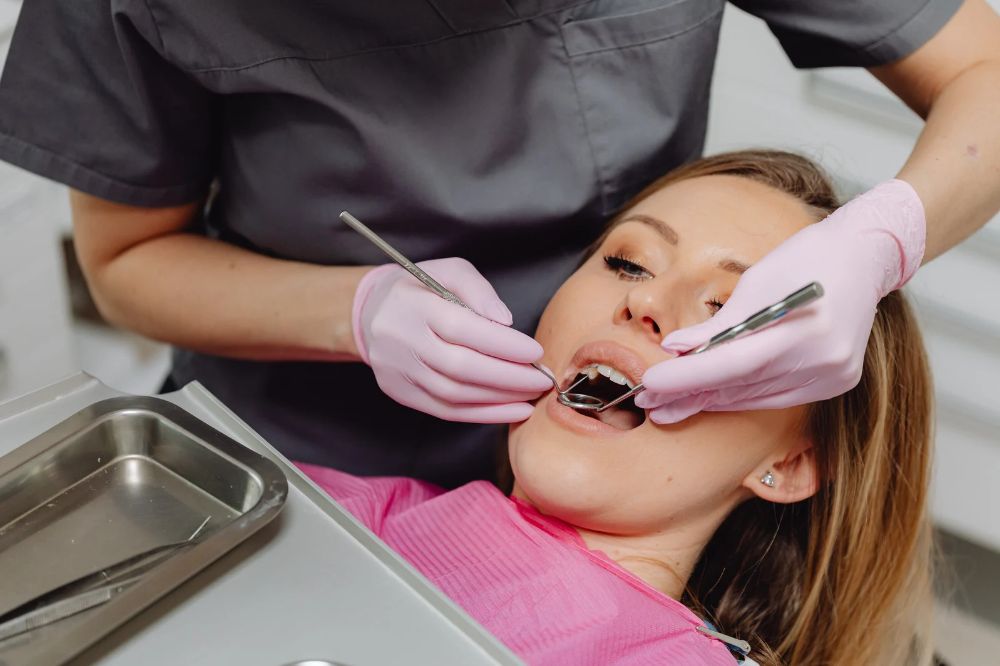
Brushing twice a day helps remove plaque and keep your teeth clean. However, brushing too hard can hurt your gums. A dentist near you can guide you on the right brushing technique and help you avoid gum irritation.
Regular visits for general dentistry in Yorkville allow your dentist to check for early signs of gum inflammation, enamel wear, and other oral health concerns. Your dentist can also assess your brushing technique and recommend changes to help remove plaque effectively while reducing the risk of gum irritation.
How Much Pressure Should You Use When Brushing?
You do not need to press hard to clean your teeth. Too much pressure can irritate your gums and contribute to gum recession or tooth surface wear over time.
Hold your toothbrush comfortably and use small, gentle movements. If the bristles flatten or spread out against your teeth, you may be brushing too hard.
Choose a soft-bristled toothbrush and brush for two minutes, twice a day, using fluoride toothpaste. Clean all tooth surfaces without pressing too firmly.
What Is the Right Way to Brush Your Teeth?
The right brushing technique helps remove plaque from your teeth and along the gumline. Follow these simple steps.
- Angle Your Brush: Hold the bristles at about a 45-degree angle towards your gums.
- Brush Gently: Use short, controlled movements instead of scrubbing back and forth.
- Clean Every Surface: Brush the outer, inner, and chewing surfaces of your teeth.
- Replace Your Toothbrush: Change it every three to four months, or sooner if the bristles become worn.
An electric toothbrush with a pressure sensor can also help you avoid brushing too hard. No matter which toothbrush you use, gentle brushing is important.
What Happens If You Brush Too Hard?
Brushing harder does not make your teeth cleaner. Too much pressure can irritate your gums and contribute to gum recession. When gums recede, the roots of your teeth may become exposed, making them more sensitive to hot, cold, or sweet foods.
You may also notice sore or bleeding gums. However, bleeding can also be caused by plaque buildup and gum inflammation.
If your gums bleed regularly, look swollen, or appear to be pulling away from your teeth, book a dental appointment. A dental professional can help identify the cause and recommend the right care.
Does Flossing Really Matter If I Brush Twice a Day?
Yes. Brushing alone cannot clean every space between your teeth. Use dental floss or another interdental cleaner once a day. Gently move the floss between your teeth without snapping it against your gums. Curve it around each tooth and clean along the sides near the gumline.
If regular floss is difficult to use, interdental brushes or a water flosser may be suitable alternatives. Cleaning between your teeth daily helps control plaque and supports healthy gums.
How Can You Tell If You Are Brushing Too Hard?
Tooth sensitivity, sore gums, receding gums, and quickly worn toothbrush bristles may indicate that you need to change your brushing technique. However, these signs can have other causes.
Try switching to a soft-bristled toothbrush, loosening your grip, and brushing gently. If bleeding or discomfort continues, finding a clinic that offers general dentistry near you can help you get professional advice and understand whether your oral hygiene routine needs to change.
Maintain Healthy Brushing Habits With Professional Guidance
Gentle brushing and daily flossing can help keep your teeth and gums healthy. At 1 Yorkville Dental, patients can discuss their oral hygiene habits and learn how to care for their teeth properly. If you have ongoing gum sensitivity or bleeding, a dental clinic near you can assess your oral health and recommend suitable next steps. Contact 1 Yorkville Dental to discuss your concerns.
Frequently Asked Questions
1. Is a soft-bristled toothbrush better for cleaning teeth?
A soft-bristled toothbrush removes plaque effectively without putting too much pressure on your gums. Hard bristles may irritate your gums and wear down tooth surfaces.
2. Can brushing too hard make my gums recede?
Brushing too hard over time can contribute to gum recession. Use a soft-bristled toothbrush and gentle movements to help protect your gums.
3. How often should I replace my toothbrush?
Replace your toothbrush every three to four months, or sooner if the bristles become frayed. Worn bristles may not clean your teeth as effectively.
4. Can brushing too hard cause tooth sensitivity?
Brushing too hard can contribute to enamel wear and gum recession, which may expose sensitive areas of your teeth. Use gentle strokes and a soft-bristled toothbrush to reduce irritation.