

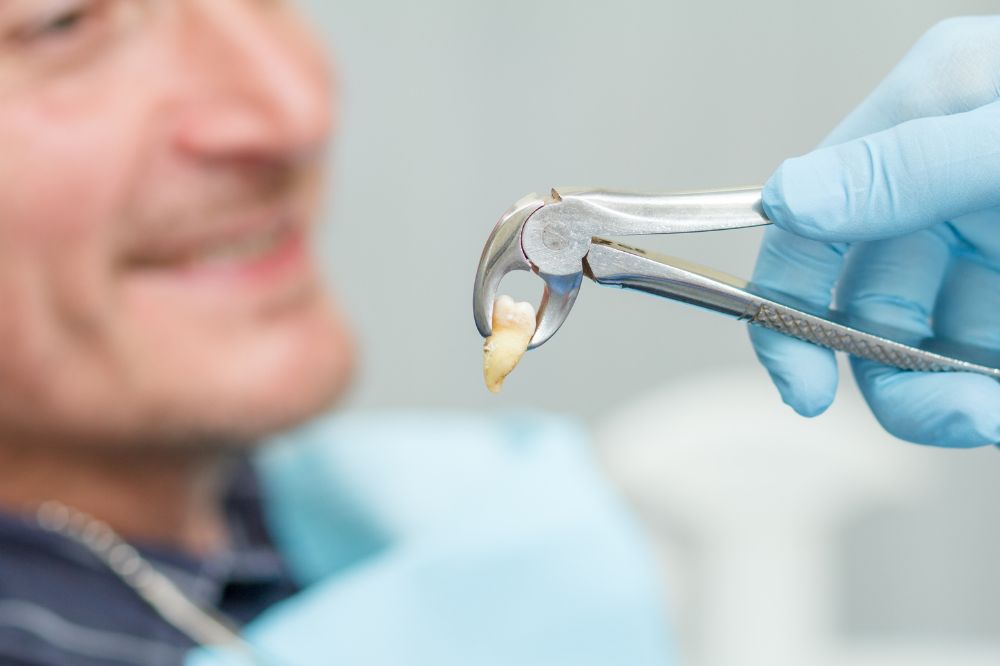
The first few days after a tooth is removed matter because a blood clot forms in the socket and protects the area. Disturbing it can cause bleeding or a dry socket. A dentist in Yorkville can explain how to care for the affected area properly. Recovery depends on the tooth, procedure, health, and your clinician’s instructions.
Protect The Blood Clot During The First 24 Hours
People recovering after tooth extraction in Yorkville should follow the specific instructions provided by their clinician. Rest for the day and use gauze as directed. Blood-tinged saliva can be normal, but bleeding that continues despite firm pressure needs professional advice.
For 24 hours, avoid vigorous rinsing, forceful spitting, straws, smoking or vaping, and strenuous exercise. These can disturb the clot. Do not touch or probe the socket.
If your mouth is numb, wait until sensation returns before chewing to avoid biting your cheek or tongue. Take pain relief only as directed.
A cold pack against the cheek may help with early swelling; wrap it in cloth and use it for short intervals. Never apply ice directly to the skin.
If sedation was used, follow instructions about driving and supervision. If you take blood thinners or have a condition that affects healing, contact your clinician if you are unsure about your aftercare instructions.
Choose Foods That Are Easy To Eat
For a few days, choose soft foods and avoid extreme temperatures. Options include:
- Yogurt or Applesauce: Smooth and easy to swallow.
- Mashed Vegetables or Soft Eggs: Filling options that need little chewing.
- Lukewarm Soup: Let it cool before eating.
- Soft Pasta or Oatmeal: Chew gently and away from the socket when possible.
- Water: Drink regularly, but do not use a straw while advised to avoid suction.
Avoid hard, crunchy, sticky, spicy, or very hot foods while tender. Return to your usual diet gradually as comfort improves. Smaller portions may be easier at first, and avoid chewing directly over the socket even if the area feels comfortable.
Keep Your Mouth Clean Gently
Brush and floss your other teeth carefully, without scrubbing the socket. After 24 hours, a gentle warm saltwater rinse may be recommended.
Do not change prescribed medication without checking with the prescriber. Never place aspirin directly on the gums, as it can irritate tissue. If you were given a syringe or special rinsing instructions, use it only at the recommended time; cleaning too soon may disturb the clot.
If you have recently gone through a tooth extraction near you, make sure to follow your clinician’s instructions and avoid forceful swishing or spitting.
What Healing Usually Looks Like
Soreness, swelling, and jaw stiffness are common. Discomfort may peak during the first 24 to 48 hours and should then improve. Gum tissue closes gradually, while bone healing continues for weeks or months.
Timing depends on the tooth, procedure, and individual healing. Mild bruising or temporary difficulty opening the mouth can occur after more involved procedures and should gradually settle.
Pain that worsens after initially improving may indicate dry socket. Appearance alone cannot confirm healing, so monitor symptoms and attend follow-up visits if advised.
When To Contact A Dental Professional
Seek urgent medical care at a dental clinic near you if bleeding persists, pain worsens, swelling increases, or you develop fever, discharge, or a lasting unpleasant taste. Do not probe the site with sharp objects. Follow medication directions, and contact the clinician if side effects make it difficult to take a prescribed medicine. Spreading facial or neck swelling, difficulty breathing or swallowing, or severe illness require emergency medical care.
Give The Healing Area Time
Protect the clot, clean your mouth carefully, choose soft foods, and avoid disturbing the socket. Seek professional advice if symptoms seem unusual or fail to improve. Book an appointment with 1 Yorkville Dental if you have concerns about healing or need follow-up care.
FAQs
What should I eat after getting a tooth removed?
Choose yogurt, eggs, mashed vegetables, oatmeal, or lukewarm soup. Avoid hard, crunchy, sticky, or very hot foods. Drink water without a straw and gradually resume firmer foods as comfort improves.
How long does it take for the extraction site to heal?
Soreness and swelling often improve within days, and the gum may close substantially in one to two weeks. Bone healing can continue for months. Timing varies with the tooth, procedure, health, and complications.
Is a little bleeding normal after extraction?
Blood-tinged saliva or mild oozing can occur on the first day. Apply gauze pressure as instructed. Contact your dental team if bleeding remains heavy or does not settle.
When can I exercise again?
Rest on the day of extraction and avoid strenuous activity for the period your clinician recommends, often 24 to 48 hours. Exercising too soon can increase bleeding. Resume gradually as symptoms improve.