

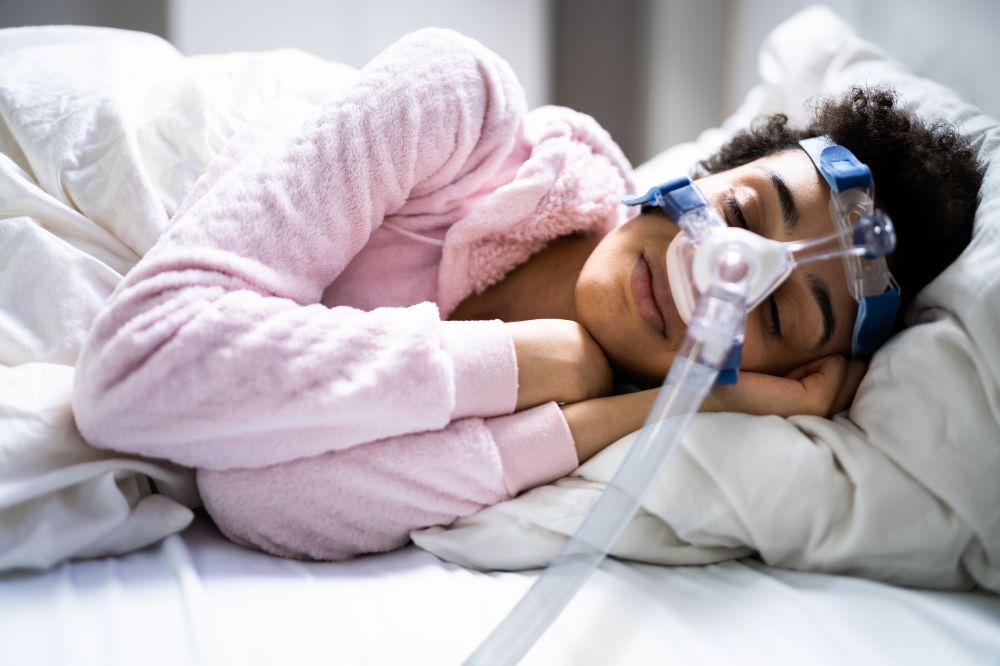
Untreated sleep apnea can place extra strain on the heart and blood vessels because breathing repeatedly slows down or stops during sleep. Each pause can lower oxygen levels and cause the body to wake to resume normal breathing briefly. Over time, these repeated changes may increase the risk of high blood pressure, heart rhythm problems, heart disease, and stroke. Recognising the signs and seeking care early can help reduce these risks. Sleep apnea near you may be worth discussing with a healthcare professional if loud snoring, gasping during sleep, morning headaches, or daytime tiredness are common concerns. A dentist in Yorkville may also help identify signs of sleep-related breathing problems and discuss suitable treatment options.
What Happens to the Heart During Sleep Apnea?
Sleep apnea causes repeated pauses or reductions in breathing during sleep. These episodes can lower the amount of oxygen reaching the body. The brain then signals the body to restart breathing, which may cause brief awakenings.
This can affect the heart in several ways:
- Oxygen levels in the body may drop many times during the night.
- The heart may have to work harder to supply oxygen.
- Blood pressure may rise while sleeping.
- The body may release stress hormones that increase heart rate and put pressure on blood vessels.
Sleep may be interrupted many times, making it hard to get proper rest.
When this happens every night, it can put extra stress on the heart and blood flow.
Heart Problems Linked to Untreated Sleep Apnea
Sleep apnea is linked to several heart and blood vessel conditions. It does not mean that everyone with sleep apnea will develop these problems, but untreated cases may increase the risk.
1. High blood pressure
Repeated drops in oxygen and interrupted sleep can activate the body’s stress response. This may cause blood pressure to rise. Sleep apnea is also linked to high blood pressure that remains difficult to control, even with medication.
2. Irregular heartbeat
Sleep apnea may increase the chance of an irregular heartbeat, such as atrial fibrillation. This means the heart beats unevenly and may raise the risk of blood clots and stroke.
3. Heart disease
Changes in oxygen levels and blood pressure during sleep can increase strain on the heart and blood vessels. Over time, this may increase the risk of heart disease and other heart problems.
4. Stroke
Sleep apnea may increase the chance of a stroke. Changes in blood pressure, oxygen levels, and blood vessels may add to this risk.
5. Heart failure
Repeated stress on the heart may increase the risk of heart failure or make existing heart problems harder to manage.
Signs That Should Not Be Ignored
Sleep apnea can be hard to notice because breathing problems happen while you are asleep. However, some signs may point to a problem.
Watch for:
- Loud and frequent snoring.
- Gasping for air, choking, or stopping breathing for short periods during sleep.
- Waking with a dry mouth or headache.
- Feeling tired even after a full night in bed.
- Trouble focusing during the day.
- Waking up often during the night.
If these symptoms occur regularly, a sleep assessment may be needed. Sleep apnea in Yorkville can be discussed with a healthcare professional who can help arrange the right evaluation.
Can a Dentist Help Treat Sleep Apnea Without a CPAP Machine?
Yes. In some cases, a dentist trained in sleep care can provide an oral device instead of a CPAP machine. You wear this small device while sleeping. It gently moves your lower jaw forward to help keep your airway open so you can breathe more easily. An oral device may help some people with mild to moderate sleep apnea or those who find CPAP difficult to use. However, it may not work for everyone. A sleep test is needed before starting treatment. Another test later can help check if the device is working properly.
What Is the Best Treatment for Mild Sleep Apnea?
The best treatment depends on the cause, severity, and overall health of the person affected. Options may include:
- Lifestyle changes, such as weight management when appropriate.
- Sleeping on the side is better if breathing problems are worse when lying on the back.
- Limiting alcohol, especially close to bedtime.
- Use a custom oral appliance when recommended.
- CPAP therapy is used when needed to keep the airway open.
A dental clinic near you may help assess whether an oral appliance is suitable, but diagnosis and treatment planning should be performed by a qualified sleep specialist or physician. CPAP remains an important treatment for many people, especially those with more severe sleep apnea.
Take Steps Towards Better Sleep and Heart Health!
Poor sleep and breathing problems during the night should not be ignored, as they may affect your heart health. Contact 1 Yorkville Dental to discuss possible signs of sleep apnea, learn about oral devices that may help, and find out if you need a sleep test.
FAQs
Can sleep apnea cause high blood pressure?
Yes. When you stop breathing for short periods during sleep, your body comes under stress, which can raise blood pressure. If not treated, sleep apnea can also make it harder to control high blood pressure.
Can treating sleep apnea improve heart health?
Treatment can help you breathe better while sleeping and may reduce some heart-related risks. However, results may differ from person to person, and you still need proper care for any existing heart problems.
Does everyone who snores have sleep apnea?
No. Snoring can occur without sleep apnea. However, loud snoring, along with gasping, breathing pauses, or daytime tiredness, should be evaluated.
Can sleep apnea cause a heart attack?
Sleep apnea is associated with a higher risk of heart disease and other cardiovascular problems. It does not mean a heart attack will occur, but untreated sleep apnea should be assessed and managed.