

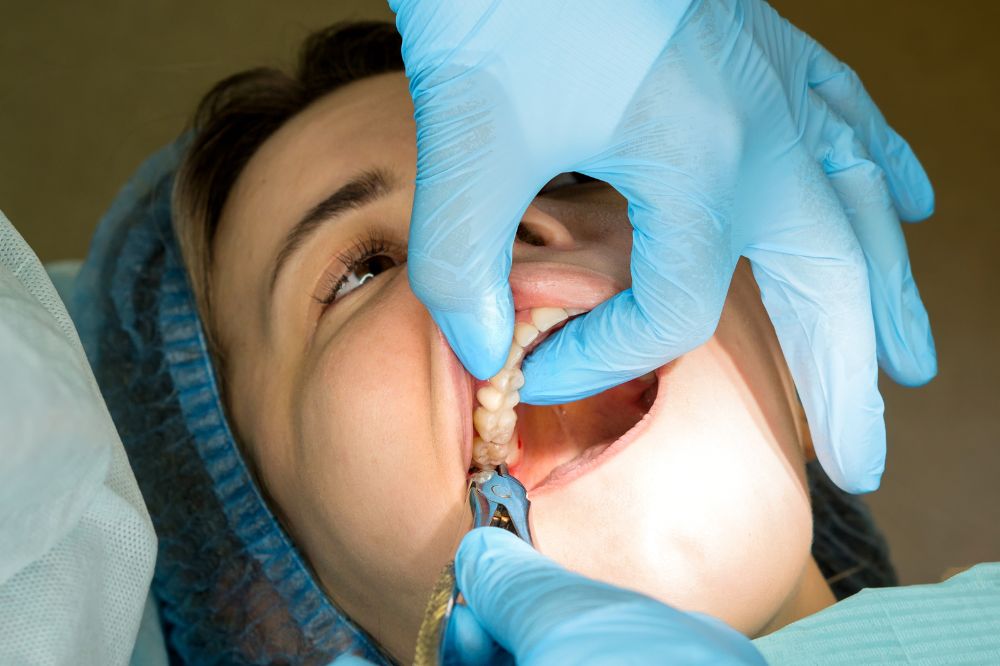
Have you been told that you may need a tooth removed and want to know why? Tooth extraction in Yorkville may be needed when a tooth is badly damaged, deeply infected, broken, or causing severe crowding that cannot be fixed with other treatments. Saving a natural tooth is often the first choice when possible, but removing a tooth may sometimes help prevent more problems and protect nearby teeth and gums. The need for extraction is different for each person and depends on the condition of the tooth, the surrounding gums and bone, and overall oral health. A professional dental assessment can help determine whether removal is necessary or if another treatment may be suitable.
Why Might a Tooth Need to Be Removed?
A dentist may recommend extraction when keeping a tooth could lead to more serious problems. The goal is to address the main concern and protect the health of the surrounding mouth.
Common reasons include:
- Severe tooth decay: Deep decay may leave too little healthy tooth structure for a filling or crown.
- Serious infection: An infection that cannot be treated successfully with other care may require removal.
- Major tooth damage: A badly cracked or broken tooth may not be strong enough to repair.
- Severe gum problems: Advanced gum disease can weaken the support around a tooth.
- Overcrowding: Removing a tooth may sometimes create needed space for orthodontic Treatment.
- Impacted wisdom teeth: A wisdom tooth that cannot grow properly may cause pain, infection, or pressure on nearby teeth.
When Is Tooth Removal the Best Option?
Tooth extraction near you may be considered after other treatment options have been reviewed. Depending on the situation, a damaged tooth may be treated with a filling, crown, or root canal instead.
Extraction may be recommended when:
- The tooth cannot be restored properly.
- The damage extends too far below the gum line.
- Infection cannot be controlled with other treatment.
- The tooth is causing harm to nearby teeth.
- There is not enough healthy tooth structure left to support a restoration.
A careful dental examination at a dental clinic near you helps determine whether removal is necessary or if the natural tooth can still be saved.
Can Extraction Help With Dental Overcrowding?
Crowded teeth can make brushing and flossing more difficult and may affect how the teeth come together. In some cases, removing a tooth may be part of an orthodontic treatment plan.
The decision is based on factors such as:
- The amount of available space
- The position of the teeth
- The type of bite problem
- The overall treatment plan
Tooth removal for overcrowding is not needed in every case. An assessment can help determine whether it is appropriate.
What Happens During Tooth Removal?
Understanding the tooth extraction procedure step by step can make treatment feel more familiar. The exact process depends on whether the tooth can be removed easily or requires a more involved approach.
The general steps may include:
- Dental examination: The tooth and surrounding area are checked.
- Treatment planning: The condition and position of the tooth are reviewed.
- Numbing: Local anesthetic is used to make the area comfortable during treatment.
- Tooth removal: The dentist gently loosens the tooth and removes it.
- Care for the area: The dentist checks the area and gives you any needed care instructions.
- Aftercare: You receive simple advice to help the area heal and lower the chance of problems.
How Long Does Tooth Extraction Take?
Many people ask, how long does tooth extraction take? The answer depends on the tooth’s location, shape, condition, and whether it is fully visible. A simple extraction may take only a short time, while a more complex removal may require longer. The overall appointment may also include time for examination, preparation, and aftercare instructions.
What Should You Expect After Extraction?
Knowing what to expect after a tooth is removed can make recovery easier. You may have some soreness, swelling, or light bleeding after the extraction. These symptoms usually get better as the area heals.
After the extraction, you should:
- Follow your dentist’s care instructions.
- Avoid touching or disturbing the area.
- Eat soft foods for a short time if needed.
- Keep your mouth clean as advised.
- Avoid smoking and tobacco while the area heals.
Contact your dentist if you have severe or worsening pain, swelling, or other symptoms.
Protect Your Oral Health With the Right Treatment!
Tooth removal may be recommended when a tooth is severely damaged, infected, or creating problems that cannot be managed with other treatments. A professional assessment can help identify the cause of the problem, explain whether extraction is necessary, and discuss suitable options for protecting oral health. Book an appointment with 1 Yorkville Dental to discuss your dental concerns, have a problematic tooth assessed, and learn which treatment approach may be right for your needs.
FAQs
1. Why do dentists remove badly damaged teeth?
If a tooth cannot be repaired safely, removing it may help prevent further problems and protect nearby areas.
2. Can an infected tooth always be saved?
Not always. Some infected teeth can be treated with root canal therapy, while others may be too damaged to restore.
3. Is tooth extraction always the first choice?
No. When possible, saving a healthy natural tooth is often preferred. Extraction is considered when other treatment options are not suitable or are unlikely to work.
4. Can removing a crowded tooth improve alignment?
In selected cases, extraction may create space as part of an orthodontic treatment plan. It should only be done when recommended for the individual’s needs.