

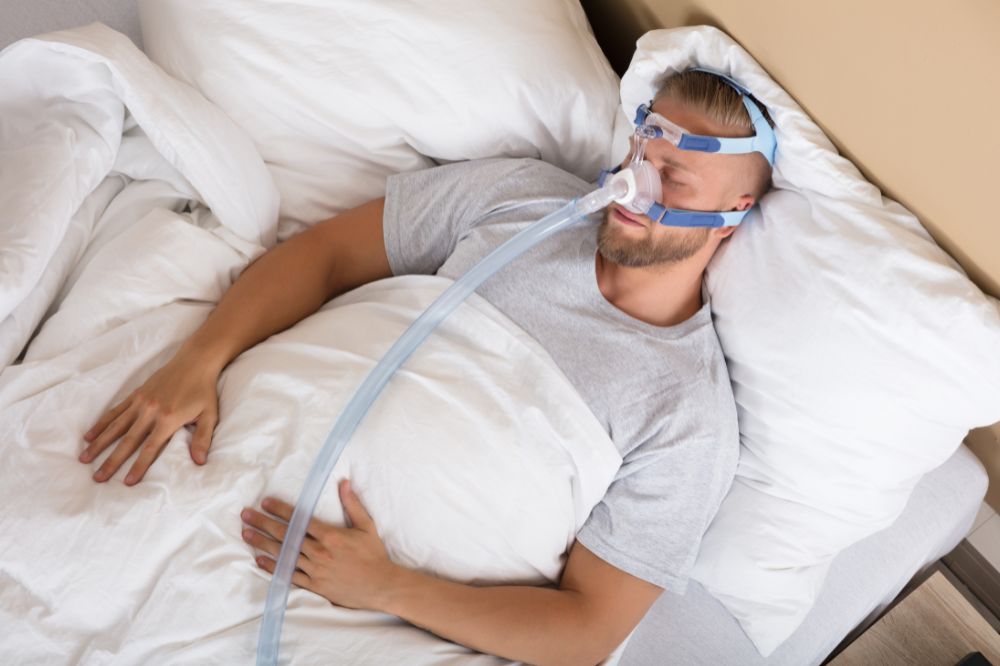
Snoring might seem like just a harmless habit. But snoring can be a warning sign of something serious. If you snore and feel exhausted during the day, you might have sleep apnea. Talking to a dentist near you or finding help for sleep apnea in Yorkville could change your health. Many people do not realize that snoring indicates a real medical problem that needs treatment. Understanding what sleep apnea is and how it affects your health helps you take action.
What Is Sleep Apnea?
- Sleep apnea is a condition where your breathing stops and starts many times while you sleep. Your airway becomes blocked or collapses. You stop breathing for a few seconds up to a minute.
- Your body panics when you stop breathing. It wakes you up so you can breathe again. This happens over and over throughout the night. You might not remember waking up, but it happens hundreds of times.
- Sleep apnea near you can be treated by a doctor or dentist. Finding treatment is important for your health.
Why Snoring Happens
- Snoring happens when air cannot flow smoothly through your throat. Your soft tissue vibrates, creating the snoring sound.
- Snoring is often the first sign of sleep apnea. Not everyone who snores has sleep apnea, but most people with sleep apnea snore.
- If you snore loudly or your snoring is getting worse, you should be evaluated. These are signs you might have sleep apnea.
How Sleep Apnea Affects Your Energy, Mood, and Overall Health
Knowing this is significant and serious.
- Your sleep is constantly interrupted. You never reach deep, restful sleep. As a result, you feel exhausted during the day no matter how many hours you spend in bed.
- Your mood suffers. You feel irritable, angry, or depressed. Your relationships suffer because you are not yourself.
- Your focus and concentration are affected. You have trouble at work or while driving. Driving while exhausted from sleep apnea is dangerous.
- Your heart is affected. Sleep apnea causes stress on your heart. Over time, this increases your risk of heart attack and stroke.
- Your blood pressure rises. Sleep apnea increases blood pressure significantly, putting extra strain on your heart.
The Connection Between Sleep Apnea and Teeth Grinding
- The connection between sleep apnea and teeth grinding is interesting and important.
- Many people with sleep apnea grind their teeth at night. When your airway closes and you cannot breathe, your body tenses up. This tension causes jaw clenching and teeth grinding.
- Over time, teeth grinding damages your teeth. You might notice worn-down teeth, cracked teeth, or jaw pain.
- At a dental clinic in Yorkville, your dentist can see the signs of teeth grinding. They can ask questions that help identify sleep apnea.
Getting Evaluated for Sleep Apnea
If you think you might have sleep apnea, you need an evaluation. A doctor can order a sleep study. This test monitors your breathing and sleep patterns. Your dentist can also help. They see signs of sleep apnea like teeth grinding, worn teeth, and jaw problems. They can refer you to a sleep specialist.
Treatment Options
- Sleep apnea is treatable. Your doctor might recommend a CPAP machine. This device keeps your airway open while you sleep.
- Some people benefit from a dental appliance. This custom device moves your lower jaw forward, keeping your airway open.
- Treatment improves your sleep, energy, mood, and overall health. You feel like yourself again.
Your Health Matters That’s Why 1 Yorkville is Here
Do not ignore snoring or daytime exhaustion. These are signs that something needs attention. Treatment can change your life. At 1 Yorkville Dental, our team recognizes the signs of sleep apnea and helps patients get the treatment they need. We work with sleep specialists to ensure you get proper care. Book your appointment with us today and take the first step toward better sleep and better health.
FAQs:-
Q1. What is the difference between snoring and sleep apnea?
Snoring is a sound. Sleep apnea is a condition where you stop breathing. Many people with sleep apnea snore, but not everyone who snores has sleep apnea.
Q2. How might I know if I have sleep apnea?
Loud snoring, a halt in breathing, gasping, tiredness during the day, and mood changes are some of its symptoms. Diagnosis is confirmed by a study.
Q3. Can my dentist treat sleep apnea?
Your dentist cannot cure sleep apnea, but they can help. They can create a dental appliance that keeps your airway open while you sleep.
Q4. Is sleep apnea dangerous?
Yes—untreated sleep apnea increases your risk of heart attack, stroke, and high blood pressure. Treatment is important for your health.
Q5. Can I ignore my snoring?
No—snoring that gets worse or is accompanied by exhaustion should not be ignored. See a doctor or dentist for evaluation.